
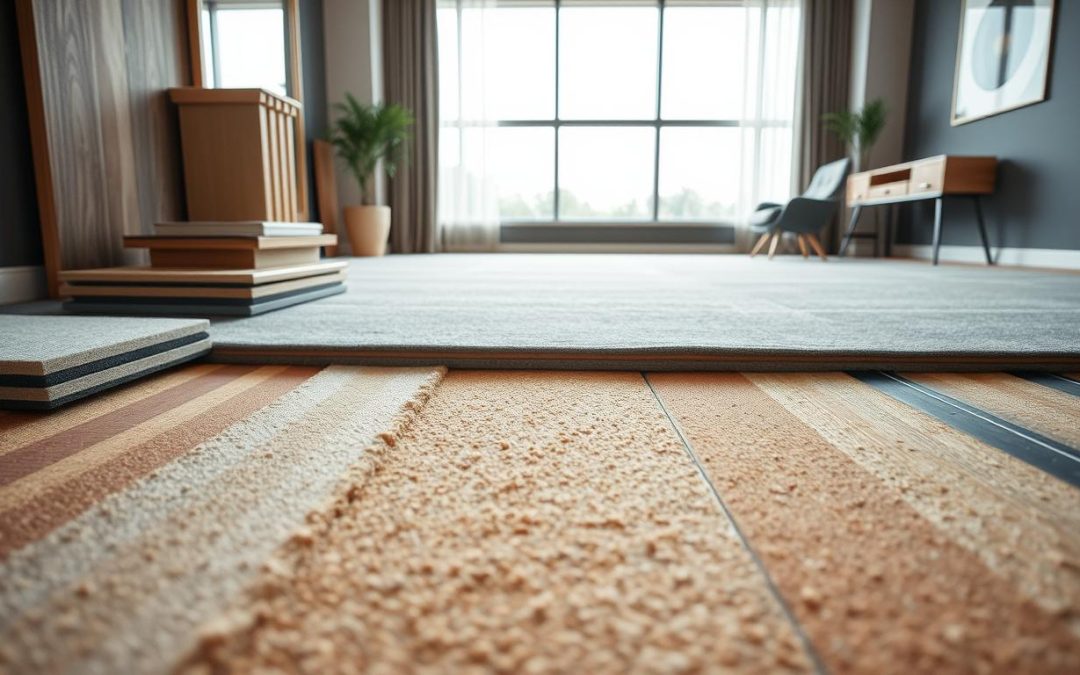
In today’s world, soundproofing is key for homes, offices, and factories. Too much noise can ruin your comfort, focus, and happiness. It’s a big problem in cities and busy buildings.

Floating floors are a smart choice to cut down on noise. By focusing on soundproofing these floors, you can make your space quieter. This leads to better focus, peace, and health.
Key Takeaways
- Effective soundproofing improves comfort and productivity.
- Floating floors can significantly reduce noise transmission.
- Prioritising soundproofing enhances overall quality of life.
- Noise reduction is crucial for residential and commercial spaces.
- Soundproofing benefits include improved concentration and well-being.
Understanding Floating Floors: A Brief Overview
Floating floors sit on top of a subfloor, making walking quiet and comfortable. They’re not fixed to the subfloor below. Instead, they rest on a sound-absorbing layer.
These floors are loved for their simplicity and how well they work. Engineered hardwood and laminate flooring are top picks. They’re durable and look great.
Floating floors are also great at cutting down on noise. The sound-absorbing layer under them helps a lot. This is perfect for homes with many levels or for those in apartments.
These floors can be made from different materials. Laminate flooring is affordable and looks like real wood. Engineered hardwood gives the real wood look but is more stable.
To wrap it up, floating floors are a smart choice for homes. They’re easy to put in and come in many styles. This makes them popular among many homeowners.
The Importance of Soundproofing
Soundproofing is key to a peaceful home. Noise can really disturb us, affecting our comfort and health. It’s vital for a better living quality.
Noise moves through structures in two main ways: airborne and impact. Airborne noise is sounds like voices or music. Impact noise comes from footsteps or moving furniture. A good floating floor system can handle both types of noise well.
Floating floors are great at cutting down impact noise. They don’t directly connect to the subfloor. This stops vibrations from passing through, reducing the noise heard in rooms below.
Also, floating floors can be made even better with extra soundproofing. Adding underlay materials can greatly improve sound reduction.
Some main benefits of soundproofing with floating floors are:
- Less disturbance from impact noise
- More privacy with less airborne noise
- Better comfort and well-being
Experts say, “Soundproofing is not just about lowering noise. It’s about making a space that’s good for our well-being and comfort.” This shows how important soundproofing is in home design and updates.
By learning how noise travels and using floating floor tech, homeowners can make their homes better.
Factors that Affect Soundproofing in Floating Floors
The sound quality of floating floors depends on several things. These include the materials used and how they are installed. Knowing these factors is key to good soundproofing.
Material Selection is very important. The material of the floor, like laminate or engineered wood, affects soundproofing. Click-lock flooring is easy to install and works well for soundproofing with the right underlayment.

The state of the subfloor matters a lot. If the subfloor is uneven or damaged, the floor won’t soundproof well. It’s important to make sure the subfloor is even, clean, and dry before installing the floor.
Also, the subfloor must be strong enough to hold the floor and any extra weight. This is crucial in places with a lot of people or heavy use.
Underlayment materials like mats or foam pads help with sound. The right underlayment can make a big difference in soundproofing.
- Resilient underlayment materials can effectively reduce impact noise.
- Foam underlayment provides a softer walking surface and can help with sound absorption.
- Rubberized underlayment is known for its durability and soundproofing capabilities.
Proper installation is also key. The floor must be installed correctly with the right underlayment. It’s important to follow the manufacturer’s instructions. Also, make sure the floor isn’t too tight against walls or objects, as this can let sound through.
In summary, good soundproofing in floating floors needs careful thought. This includes choosing the right materials, checking the subfloor, considering the load, and proper installation. By focusing on these areas, you can greatly improve your floor’s sound quality.
Types of Soundproofing for Floating Floors
Soundproofing floating floors is crucial, and the right underlayment makes a big difference. Acoustic underlayment is a special mat that goes between the subfloor and the vinyl plank flooring. It helps absorb sound and block impacts.
Acoustic underlayments come in different materials, each with its own benefits. Cork underlayment is great for sound absorption and is eco-friendly. It’s a top pick for those who care about the environment.
Rubber underlayment is excellent for blocking impact, perfect for busy homes or those who want to reduce footstep noise. It’s also durable and can handle moisture well.
Felt underlayment, made from recycled materials, is another good option. It’s affordable and still offers sound absorption. It’s a cost-effective choice for soundproofing.
Foam underlayment is light and simple to put in. It provides some soundproofing and comes in different thicknesses. This lets homeowners pick the right level of soundproofing for their needs.
Choosing the Right Underlayment
Choosing the right acoustic underlayment depends on several things. Consider the flooring type, how much soundproofing you need, and your budget. The right underlayment can greatly improve the soundproofing of floating floors.
- Cork: Eco-friendly, good sound absorption
- Rubber: Superior impact isolation, durable
- Felt: Budget-friendly, good sound absorption
- Foam: Lightweight, easy to install
Benefits of Soundproofing Your Floating Floors
Soundproofing your floating floors has many benefits. It makes your home quieter and more comfortable. A quiet home reduces stress and helps you relax, making life better.
One big plus is the enhanced living comfort. Soundproofing cuts down on floor noise. This makes your home quieter, perfect for homes with many levels or for those who work from home.
It also means better privacy. Soundproofing helps keep noise out, which is great for shared living spaces or apartments. It’s key for keeping personal space when living with others.
Another big plus is fewer neighbour complaints. Soundproofing your floors makes your home quieter. This is good for you and your neighbours, creating a better living space for everyone.
The main benefits of soundproofing are:
- Enhanced living comfort through reduced noise pollution
- Improved privacy for a more personal space
- Reduced neighbour complaints, fostering a more harmonious community
- Increased property value due to the added feature of soundproofing
A flooring expert said, “Soundproofing is not just about reducing noise; it’s about enhancing the overall living experience.” This shows how important soundproofing is, even with interlocking floorboards.
In short, soundproofing your floating floors is a smart choice. It brings many benefits, like better comfort, privacy, and fewer neighbour complaints. By picking the right soundproofing, you can make your home a better place to live.
Installation Considerations for Soundproofing
Effective soundproofing of floating floors needs careful thought during the installation phase. Working with an experienced acoustics consultant or installer is key. They make sure the floating floor meets your sound reduction and functional needs.
Several factors are important when installing a soundproofing floating floor. The type of engineered hardwood, the underlayment, and subfloor preparation all affect soundproofing. It’s important to choose materials that work well together for soundproofing.

A professional installer will check the subfloor, suggest the right underlayment, and install the floor correctly. This ensures the best soundproofing. Their knowledge helps avoid mistakes that could harm soundproofing.
By paying attention to installation and working with experts, you can make your space quieter and more comfortable.
Maintaining Soundproofed Floating Floors
To keep your soundproofed floating floors working well, regular care is essential. Keeping them in good shape involves simple steps. These steps can make your floors last longer and work better.
Cleaning is a big part of looking after your floors. Use a dry or damp mop to clean them. Avoid too much water, as it can harm the floor or reduce its soundproofing. For deeper cleaning, a special laminate floor cleaner is best.
It’s important to check your floors often. Look for any signs of wear, like gaps or damage to the soundproofing layer. Fixing these problems early can stop bigger issues later.
If you spot damage, fix it quickly. For small gaps, a laminate floor repair kit can help. But for bigger problems, you might need a professional. They can make sure the fix doesn’t mess up the soundproofing.
Additional Maintenance Tips: Don’t use strong chemicals or rough cleaners, as they can harm the floor. Also, keep the room’s humidity levels steady. Too much humidity can damage the floor.
By following these easy tips, your soundproofed floating floors will stay effective and last longer. This will make your space quieter and more comfortable.
Common Misconceptions About Soundproofing
Soundproofing myths are common, often linked to floating floors and vinyl plank flooring. Many think floating floors are always noisy. But, the truth is more complex.
Some believe standard vinyl flooring, like thinner types without acoustic backing, can’t block noise. It’s true that such flooring can let impact noise through, making it seem noisy. Yet, there are ways to lessen this problem.
Key factors that affect soundproofing in floating floors include:
- The type of flooring material used
- The presence of an underlayment or acoustic backing
- The subfloor’s condition and preparation
It’s a myth that soundproofing means replacing all your flooring. Often, adding the right underlayment or acoustic backing can greatly enhance soundproofing of floating floors.
For example, a high-quality underlayment made for sound reduction can significantly improve a room’s quietness.
In conclusion, knowing the truth about soundproofing and floating floors helps homeowners make better choices. By clearing up common myths, we can see how soundproofing can enhance our homes.
Some effective soundproofing strategies include:
- Choosing the right underlayment for your floating floor
- Ensuring the subfloor is properly prepared
- Selecting flooring materials with integrated acoustic backing
How to Choose the Right Products for Soundproofing
To soundproof your floating floors well, picking the right materials is key. The quality and fit of the products you choose greatly affect your success.
When picking soundproofing