
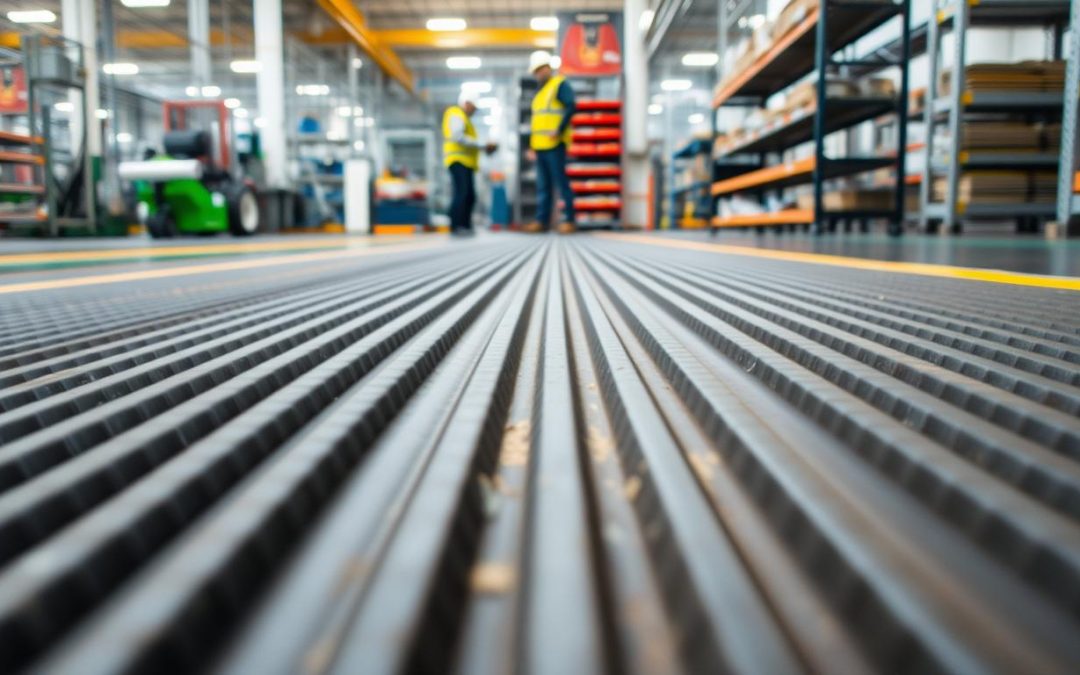
Rubber flooring is one of the most durable and low-maintenance surfaces available, but proper cleaning and care will dramatically extend its lifespan and preserve its appearance. Whether you have rubber floors in a commercial gym, an industrial workshop, or a residential basement, the right maintenance routine keeps the surface safe, hygienic and visually appealing for decades.
Why rubber floor care matters
High-quality rubber flooring is engineered to withstand heavy foot traffic, dropped weights, machinery vibration and chemical spills. However, dirt and grit acting like sandpaper, harsh cleaners breaking down the polymer surface, and trapped moisture are the three most common causes of premature wear. Regular maintenance prevents all three problems while supporting safety compliance in commercial and industrial environments.
Daily and weekly cleaning routine
For day-to-day care, sweep or vacuum the surface with a soft-bristle attachment to remove dust, grit and debris. Once a week, damp-mop the floor using warm water mixed with a pH-neutral cleaner. Avoid solvent-based or strongly alkaline products — they degrade rubber binders and can dull the finish.
- Sweep or dry vacuum to lift abrasive particles.
- Damp-mop with a microfibre mop and pH-neutral solution.
- Rinse with clean water if the cleaner is not labelled “no-rinse”.
- Allow to dry completely before resuming heavy traffic.
Deep cleaning rubber floors
Every three to six months — or more often in heavy-use environments — perform a deeper clean. Use an auto-scrubber with a soft brush head, or a hand-held rotary brush for smaller areas, with a manufacturer-approved cleaner. Always test any new product on a small inconspicuous area first.
Stains, spills and emergencies
Address spills immediately to prevent staining and slip hazards. For oil, grease or chemical spills, blot up the excess and apply a degreaser rated for rubber surfaces. Rubber is naturally resistant to most spills, but prolonged contact with petroleum-based solvents can cause permanent damage.
What to avoid
- Solvent-based cleaners (acetone, white spirit, petroleum distillates)
- Strong acids and alkalis (pH below 4 or above 10)
- Steam cleaners on adhesive-installed rubber tiles
- Coloured detergents that may stain light-coloured rubber
- Stiff metal brushes that score the surface
Protecting rubber floors over the long term
Position walk-off mats at every entrance to capture grit before it reaches the rubber surface. Use felt protectors under furniture legs, and re-tape or re-seal joints in roll-laid rubber once a year. In gyms and weight rooms, consider drop zones with thicker rubber tiles or platforms to protect the main floor from impact damage.
When to call a professional
If your rubber floor shows lifting at seams, deep staining that resists normal cleaning, or visible polymer breakdown (a chalky, sticky surface), contact your supplier or a specialist contractor. Early intervention prevents the need for full replacement and is far more cost-effective.
Conclusion
A simple, consistent care routine — daily dry cleaning, weekly damp mopping, quarterly deep cleaning and immediate spill response — protects your investment and keeps rubber flooring performing at its best. Choose pH-neutral cleaners, avoid solvents and abrasives, and address damage early to enjoy decades of reliable service.